Jigsaw Puzzles | Types, History, And Smart Solving Tips
Learn about jigsaw puzzles, their history, types, and smart solving tips. Boost focus, memory, and enjoy screen-free fun for all ages.
Mar 15, 202699.2K Shares1.3M Views
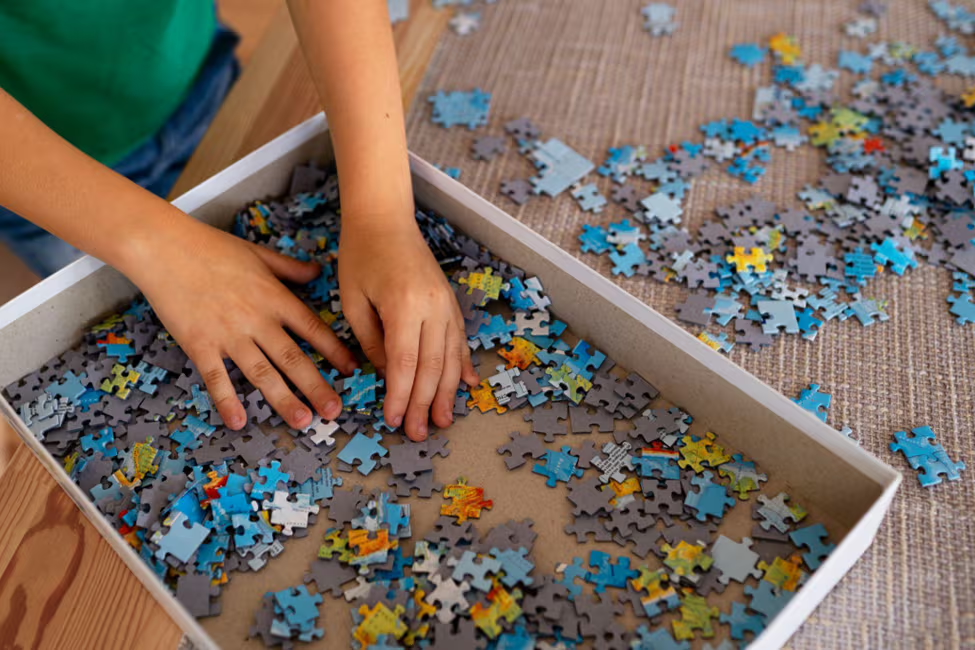
Jigsaw puzzlesare more than a hobby; they are a way to relax, challenge your mind, and have fun without screens. A simple puzzle can reduce stress, improve focus, and strengthen memory. Completing puzzles, from small 100-piece sets to large 5,000-piece designs, gives a real sense of achievement and keeps the brain active.
Jigsaw puzzleshave been enjoyed for centuries, starting with John Spilsbury’s map puzzles in the 1700s. Today, puzzles include 3D models, magnetic puzzles, gradient designs, and even augmented reality puzzles.
Puzzles also help with problem-solving, hand-eye coordination, and patience. In this article, you will learn about the history of puzzles, the types available, and tips to solve them faster, making your puzzle time more fun and rewarding.
The Fascinating History Of Jigsaw Puzzles
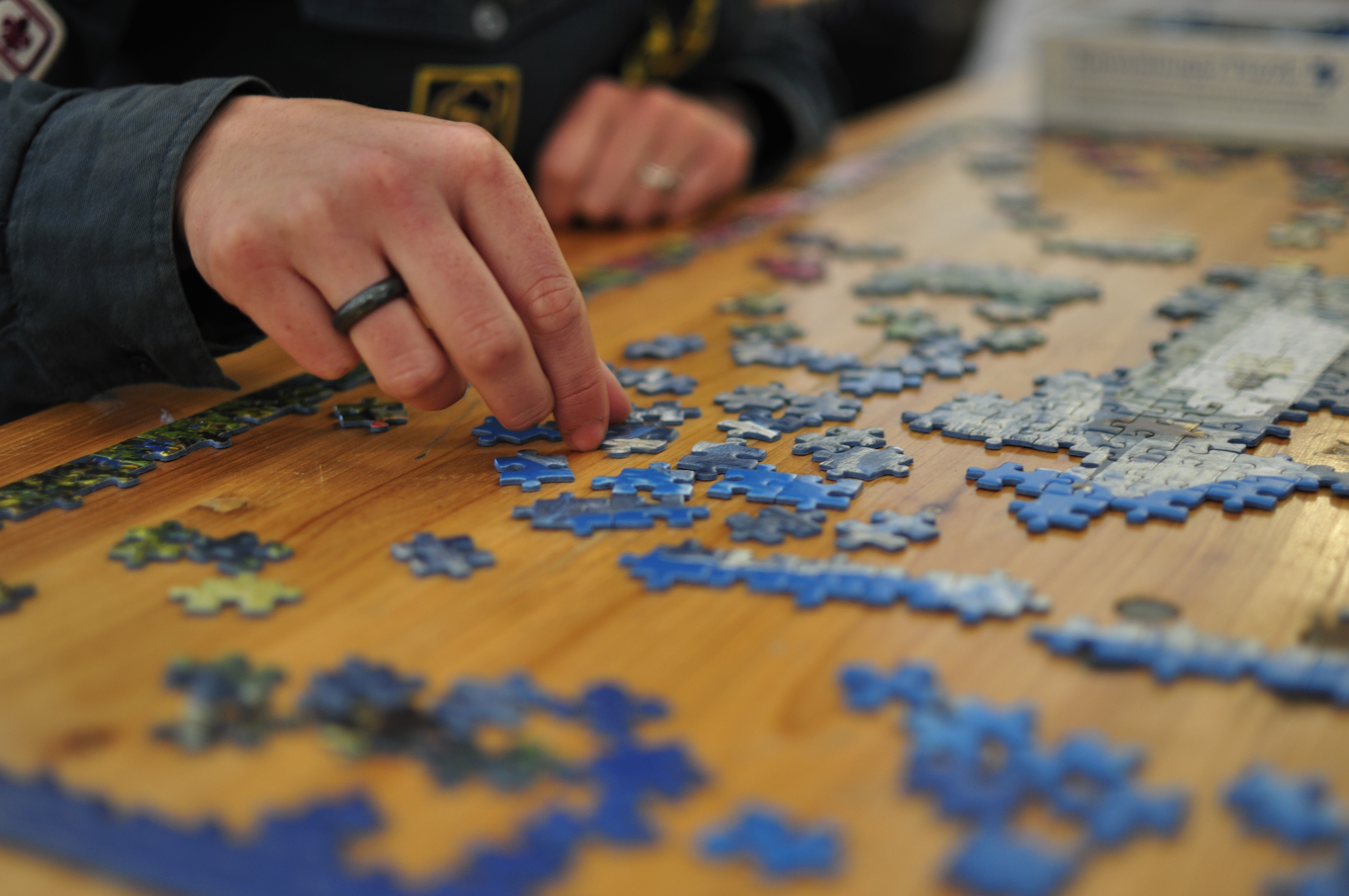
Jigsaw puzzles date back to the mid-1700s. The first known puzzle was created by John Spilsbury, a London cartographer. Around 1760, he mounted a map onto a wooden board and cut it into pieces to help children learn geography. These early puzzles were known as “dissected maps,” and they helped introduce people to the fun of solving complex puzzleswhile learning about different places.
During the 1800s, puzzles slowly transitioned from educational tools into recreational entertainment. Because they were handmade from wood and carefully cut with fine saws, early puzzles were expensive and considered luxury items mainly enjoyed by wealthy families.
The puzzle industry changed dramatically in the early 1900s when manufacturers began using die-cut cardboard instead of wood. This innovation made puzzles much cheaper and easier to produce, allowing them to reach a much larger audience.
Jigsaw puzzles became extremely popular during the Great Depression of the 1930s, when people searched for affordable home entertainment. Since then, puzzles have continued evolving with new formats such as 3D puzzles, digital puzzles, and custom photo puzzles. Today, they remain a timeless hobby enjoyed around the world.
How Jigsaw Puzzles Are Made
Many people enjoy solving jigsaw puzzles, but few stop to think about how the puzzles are actually made. Understanding the process can make you appreciate the design and craftsmanship behind each puzzle. It can also help you understand why some puzzles are easier or harder to solve than others.
Step 1: Creating The Image
The first step in making a jigsaw puzzle is choosing the image. Puzzle companies select pictures that will look interesting and enjoyable to solve. These images can include landscapes, animals, famous landmarks, artwork, or colourful patterns. Some puzzles even use photographs taken by professional photographers or artwork created by illustrators.
Once the image is selected, it is printed onto a large sheet of thick cardboard or puzzle board. High-quality puzzles use strong cardboard so the pieces do not bend easily and can be used many times without getting damaged. The image must be printed very clearly so that the colours and details appear sharp when the puzzle is finished.
Step 2: Attaching The Image To The Puzzle Board
After the image is printed, it is carefully attached to a sturdy backing material, usually thick cardboard. This backing gives the puzzle strength and helps the pieces hold their shape during use.
The printed sheet and the backing are pressed together using special machines to make sure the surface is smooth and durable. This step is important because a good puzzle should feel solid, and the pieces should not peel apart after repeated use.
Step 3: Cutting The Puzzle Pieces
Once the puzzle board is ready, the next step is cutting it into pieces. Puzzle manufacturers use a special tool called a steel die-cut template. This tool works like a large cookie cutter that presses into the cardboard and cuts the puzzle into many interlocking pieces.
The die-cut template is designed with different shapes so that each piece can connect with the others. These shapes create the familiar tabs and blanks that allow puzzle pieces to lock together.
- Tabsare the parts of a piece that stick out.
- Blanksare the curved spaces where tabs from other pieces fit.
When the puzzle is cut, hundreds or even thousands of pieces are created at once.
Puzzle Cutting Styles
Not all puzzles are cut in the same way. Manufacturers use different cutting patterns to create puzzles with different difficulty levels. The two most common styles are ribbon cut and random cut.
Ribbon Cut
In a ribbon cut puzzle, the pieces are arranged in neat rows and columns, almost like a grid. The shapes of the pieces are quite similar to each other, and the pattern of cuts repeats across the puzzle.
Because the pieces follow a predictable structure, ribbon-cut puzzles are usually easier to solve. Many beginner and family puzzles use this style because it helps puzzlers quickly recognise where pieces might belong.
Random Cut
Random cut puzzles use a more irregular cutting pattern. The pieces come in many different shapes and sizes, and they do not follow a clear grid pattern. Some pieces may be long and thin, while others may have unusual curves or angles.
This style makes the puzzle more challenging because the shapes are less predictable. Random cut puzzles are often preferred by experienced puzzlers who enjoy a greater challenge.
Quality Differences In Puzzles
Puzzle manufacturers can also change several other factors to improve the quality of a puzzle. For example, they may use thicker cardboard to make the pieces stronger and more durable. High-quality puzzles often have sharp, detailed printing so the image looks clear and vibrant.
The design of the puzzle pieces also matters. Some puzzles have unique shapes that make the solving experience more interesting, while others are designed to fit together very smoothly. All of these details, the material, the printing quality, and the cutting style, play an important role in how enjoyable a puzzle is to solve.
Benefits Of Jigsaw Puzzles
1. Relaxation And Stress Relief
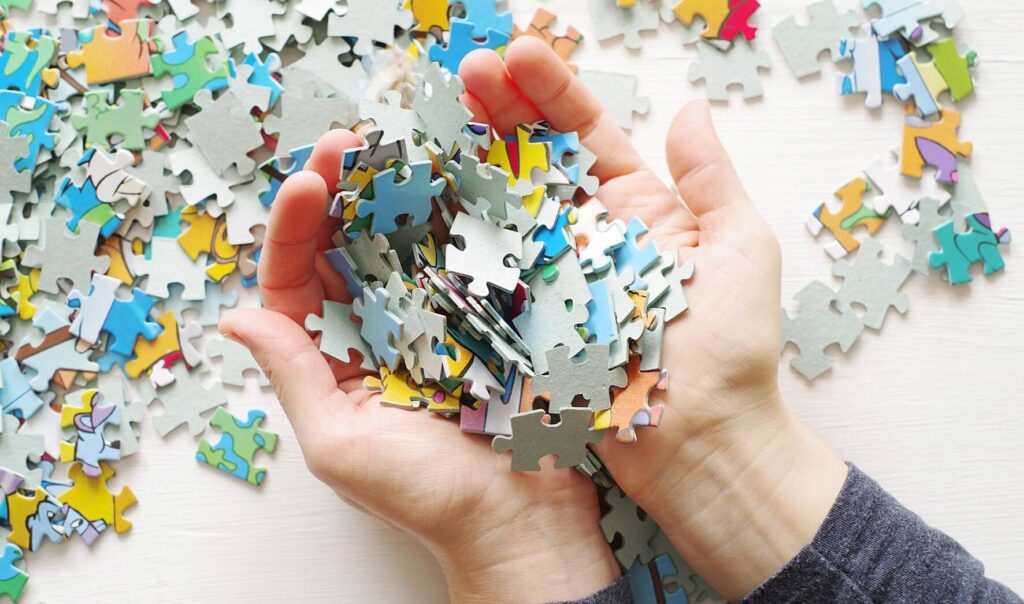
Solving puzzles provides a calming effect on the mind by promoting mindfulness. The process of focusing on shapes and colours reduces cortisol, the stress hormone, and encourages a meditative state. It’s an excellent activity to unwind after a hectic day.
2. Mental Stimulation
Jigsaw puzzles engage the brain by activating both hemispheres. The left side handles logical thinking, while the right side works on creativity and visualisation. This dual engagement improves memory, concentration, and problem-solving skillsover time.
3. Improved Visual-Spatial Skills
Piecing together a puzzle enhances the ability to visualise spatial relationships. This skill is especially useful in professions like architecture, engineering, and design. It also benefits tasks like navigating maps or arranging furniture.
4. Boosted Problem-Solving Abilities
Puzzles require a step-by-step approach to identifying patterns and fitting pieces together. This strengthens critical thinking and decision-making skills, which are transferable to real-life problem-solving scenarios.
5. Enhanced Focus And Patience
Working on a puzzle requires sustained attention and perseverance. Completing a challenging puzzle teaches patience and the ability to concentrate on long-term goals without immediate gratification.
6. Social Connection And Teamwork
Collaborating on a puzzle is a fun way to build relationships. It encourages teamwork, communication, and a shared sense of achievement. Group puzzling can be a bonding activity for families, friends, or even coworkers. For enthusiasts seeking a challenge, the best puzzle games for adultsoffer a perfect mix of complexity and entertainment, making group sessions even more engaging and rewarding.
7. Creative Expression And Art Appreciation
Jigsaw puzzles often showcase beautiful artwork, ranging from landscapes to abstract designs. Completing one allows you to engage with and appreciate artistic details, and many choose to frame their puzzles as personalised art pieces.
8. Memory Improvement
Remembering where specific pieces fit requires recalling shapes, colours, and patterns. This active memory recall strengthens short-term memory, making puzzles an excellent activity for both children and older adults looking to maintain cognitive health.
9. Screen-Free Entertainment
In an age dominated by screens, puzzles offer a refreshing alternative. They provide hours of entertainment without relying on digital devices, promoting healthier habits and reducing screen-induced eye strain.
10. Mental Health Benefits
Completing a puzzle triggers the release of dopamine, the "feel-good" neurotransmitter. This boosts mood, enhances motivation, and provides a sense of accomplishment, making puzzles a great tool for mental well-being.
Types Of Jigsaw Puzzles And Their Unique Appeal
1. Traditional Cardboard Puzzles
Traditional cardboard puzzles are the most commonly available type and appeal to a broad range of puzzle enthusiasts. They come in varying piece counts, from beginner-friendly 100-piece sets to massive 40,000-piece masterpieces designed for experts.
These puzzles are lightweight, easy to handle, and typically made from affordable materials, making them accessible to people of all ages and budgets. Cardboard puzzles often feature high-quality prints with vibrant colours and intricate details, showcasing themes like landscapes, animals, abstract art, and more.
Their popularity stems from their versatility and practicality, as they are easy to store and work on without requiring special tools or setups.
2. Wooden Puzzles
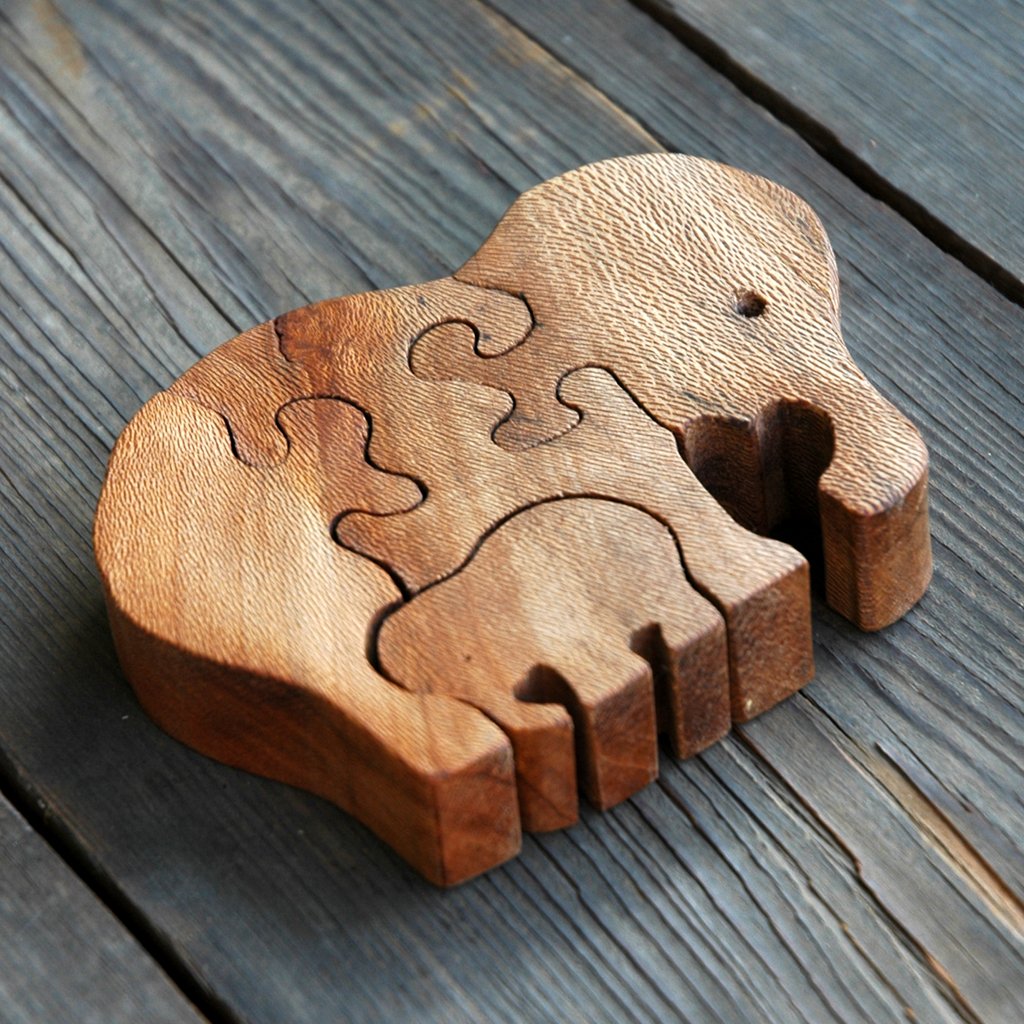
Wooden puzzles are prized for their durability and premium feel. Crafted from high-quality wood, these puzzles often feature precisely cut pieces that fit together seamlessly. Wooden puzzles are a favourite among collectors and enthusiasts who value the craftsmanship and unique designs that many brands incorporate.
One standout feature of wooden puzzles is the inclusion of whimsical pieces, custom-cut shapes resembling animals, objects, or other fun patterns. These add an extra layer of charm and intrigue to the puzzling experience. While they are more expensive than their cardboard counterparts, wooden puzzles are an investment in quality and longevity. They also make fantastic gifts for special occasions.
3. 3D Puzzles
3D puzzles take traditional puzzling to the next level by allowing you to build models with depth and dimension. Unlike flat puzzles, 3D puzzles let you create iconic structures like the Eiffel Tower, the Statue of Liberty, or even working globes and functional clocks.
These puzzles challenge your spatial reasoning and construction skills, making them particularly engaging for advanced puzzlers or those looking for a hands-on creative activity. 3D puzzles are often made from durable materials such as plastic or wood, ensuring stability in the final model. They are perfect for display once completed, serving as both a fun project and a decorative piece for your home or office.
4. Custom Puzzles
Custom puzzles add a personal and sentimental touch to the puzzling experience. With custom puzzles, you can transform a cherished photograph, a favourite piece of artwork, or a special memory into a one-of-a-kind puzzle. These puzzles are popular as personalised gifts for birthdays, anniversaries, or holidays, offering a unique way to celebrate meaningful moments.
Custom puzzles are available in various materials, including cardboard and wood, and can be tailored to different difficulty levels. They not only make the puzzling process more personal but also create keepsakes that you can cherish or display for years to come.
4. Speciality Puzzles
Speciality puzzles cater to niche interests and offer unique challenges that go beyond standard designs. Some popular speciality puzzle types include:
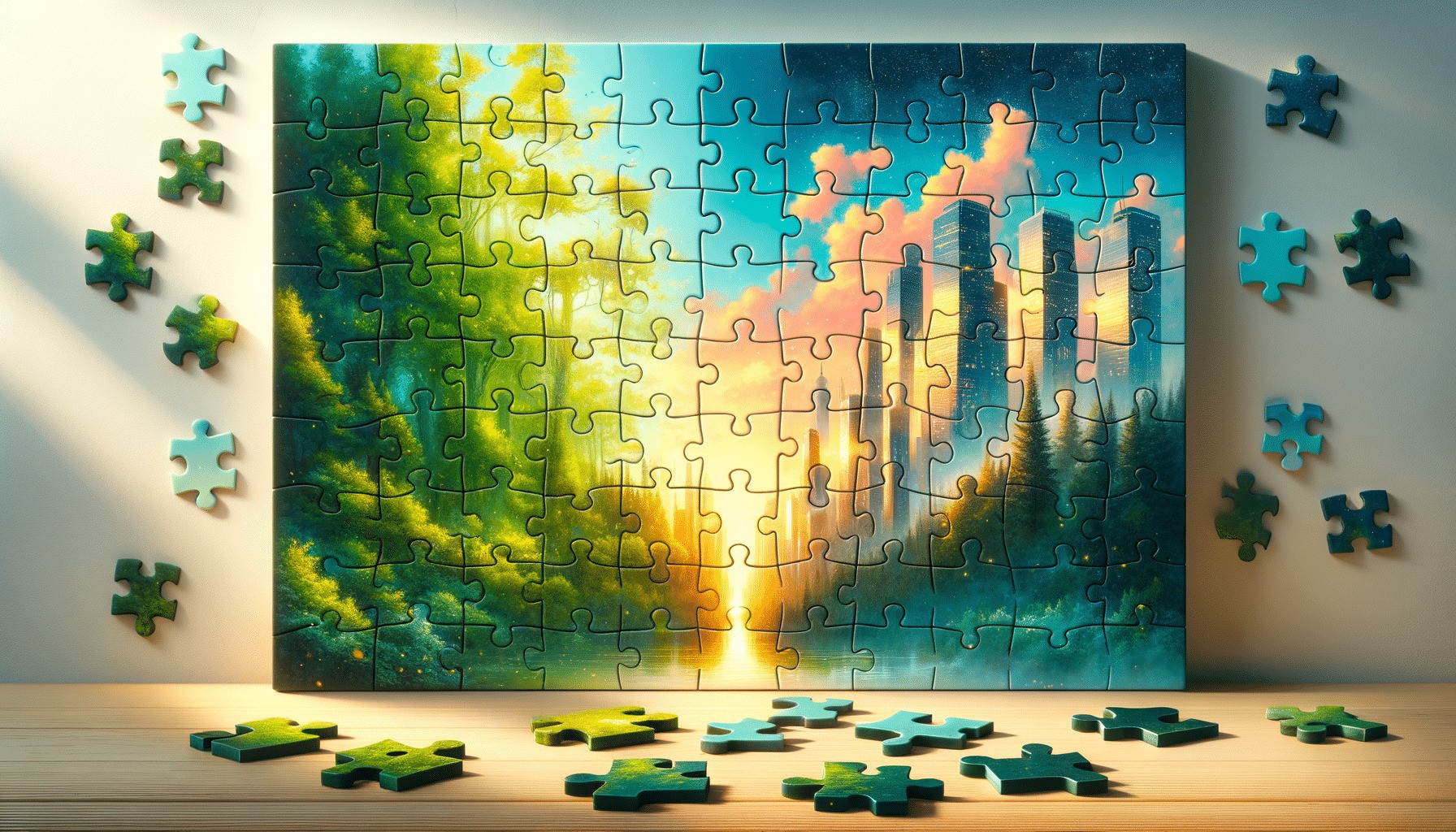
- Glow-in-the-Dark Puzzles: These puzzles feature designs that come to life in the dark, revealing hidden details or glowing patterns that add a magical twist to the experience.
- Irregular Shape Puzzles: Unlike traditional rectangular puzzles, these puzzles have unconventional edges and silhouettes, making them more challenging and visually striking.
- Double-Sided Puzzles: With images printed on both sides of each piece, double-sided puzzles offer double the challenge as you figure out which side belongs to the final design.
5. Digital Jigsaw Puzzles
With the rise of technology, digital jigsaw puzzles have gained popularity. These puzzles are played on smartphones, tablets, or computers and offer the convenience of puzzling without physical pieces. Many people now enjoy digital puzzle appsthat include features like customizable difficulty levels, virtual tools such as Zoom and hints, and a wide selection of images to choose from.
Digital puzzles are ideal for people who enjoy puzzling on the go or don’t have space for physical puzzles. Many apps even allow you to upload personal photos, making them a digital version of custom puzzles.
6. Magnetic Jigsaw Puzzles
Magnetic jigsaw puzzles are designed with pieces that have small magnets on the back. Because of this, the pieces can stick to metal surfaces such as refrigerators, magnetic boards, or special puzzle boards. This makes them very convenient because the pieces stay in place and are less likely to fall or get lost.
Another advantage of magnetic puzzles is that they can be assembled vertically instead of on a flat surface. This is helpful for people who do not have a large table or workspace at home. Magnetic puzzles are usually smaller in size, which makes them perfect for travel, classrooms, or quick puzzle sessions.
7. Puzzleball Puzzles
Puzzleball puzzles are a unique type of jigsaw puzzle that allows you to build a three-dimensional ball instead of a flat image. The puzzle pieces are curved and specially designed so they can fit together to form a complete sphere. Unlike traditional puzzles, these pieces do not lie flat on a table but gradually form a round shape as you connect them together.
Many puzzle balls feature interesting designs such as world maps, famous landmarks, animals, or colourful artwork. Once the puzzle is finished, it can usually be placed on a small stand and displayed as a decorative item. Because of their unusual shape and design, puzzleballs offer a fun challenge and are a great choice for people who want something different from a regular jigsaw puzzle.
8. Augmented Reality (AR) Puzzles
Augmented Reality puzzles combine traditional puzzle solving with modern digital technology. You begin by completing the physical puzzle just like a normal jigsaw puzzle. However, once the puzzle is finished, you can use a special mobile app or device to scan the image and unlock extra digital features.
When viewed through the app, the puzzle image can come to life with animations, sounds, or interactive effects. For example, a castle puzzle might show moving knights, flying dragons, or glowing lights when viewed through the screen. These puzzles create a fun mix of physical and digital play, making them especially exciting for people who enjoy technology and interactive experiences.
9. Escape Room Puzzles
Escape room puzzles are inspired by the popular escape room games where players must solve clues to complete a challenge. In these puzzles, the jigsaw pieces are only part of the experience. As you assemble the puzzle, you also discover hidden clues, riddles, and puzzles that help move a story forward.
Many escape room puzzles include extra materials such as booklets, cards, secret codes, or small props. Solving the puzzle often requires careful observation and logical thinking. Instead of simply finishing an image, players must solve a mystery or complete a mission, which makes the puzzle more exciting and immersive.
10. Miniature Jigsaw Puzzles
Miniature jigsaw puzzles are designed with pieces that are much smaller than the pieces found in standard puzzles. Because the pieces are tiny, they require more attention, patience, and careful handling when assembling them. This makes miniature puzzles much more challenging than regular puzzles.
These puzzles are often enjoyed by experienced puzzlers who are looking for a tougher challenge. Even though the puzzles can contain many pieces, the final image does not take up much space because the pieces are so small. This makes them ideal for people who want to complete large puzzles but have limited display space.
11. Educational Jigsaw Puzzles
Educational jigsaw puzzles are specially designed to help children learn while they play. Instead of only showing pictures, these puzzles often include letters, numbers, animals, maps, or simple science topics. By putting the pieces together, children can learn new information in a fun and interactive way.
Teachers and parents often use educational puzzles to help develop important skills such as problem-solving, hand-eye coordination, and memory. Because children enjoy the process of solving puzzles, learning becomes more engaging and less stressful. Educational puzzles are commonly used in classrooms, homes, and early learning centres.
12. Gradient Puzzles
Gradient puzzles are known for their simple yet very challenging design. Instead of having a clear image or pattern, these puzzles display a smooth transition of colours that gradually change from one shade to another. For example, the colours may slowly shift from light yellow to deep orange or from blue to purple.
Because the puzzle pieces look very similar, it can be difficult to tell where each piece belongs. Solving a gradient puzzle requires patience and close attention to small colour differences. Many puzzlers enjoy these puzzles because they provide a unique challenge and look very beautiful once completed.
13. Mosaic And Tessellation Puzzles
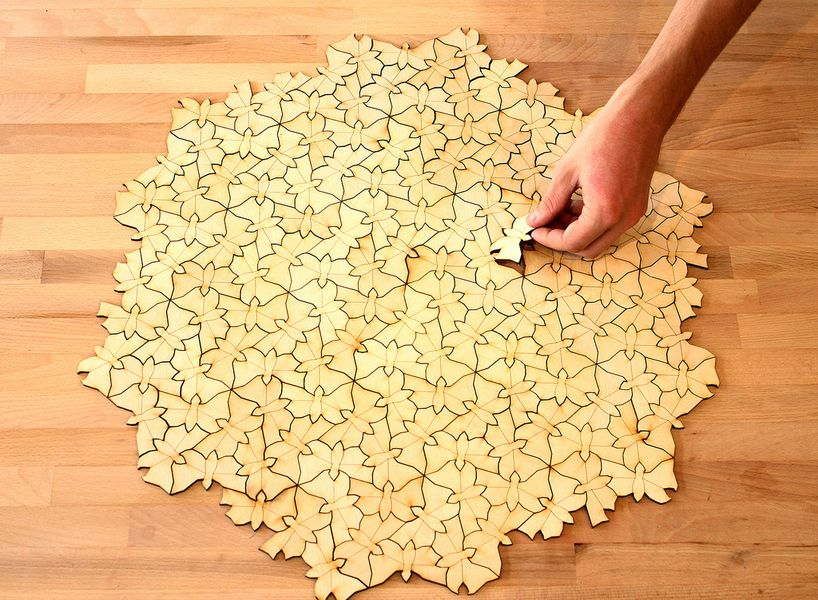
Mosaic and tessellation puzzles focus on repeating shapes and detailed patterns rather than traditional pictures. These puzzles are often inspired by artistic designs found in architecture, tiles, or decorative artwork. The pieces come together to create complex geometric patterns that are visually impressive.
Solving these puzzles can feel different from working on image-based puzzles because you rely more on shapes and pattern repetition than on recognisable objects. This type of puzzle is popular among people who enjoy art, design, and mathematical patterns.
14. Lens Or Optical Illusion Puzzles
Lens or optical illusion puzzles are designed to play tricks on your eyes. The images used in these puzzles often include patterns that create a sense of movement, depth, or visual confusion. As you look at the puzzle from different angles, the image may appear to change or shift.
Some of these puzzles use special printing techniques such as holographic or lenticular images to enhance the illusion. Because the patterns can be confusing, these puzzles are usually more difficult to solve than normal puzzles. However, the final result is often very striking and makes a great conversation piece when displayed.
How To Choose The Right Jigsaw Puzzle For You
- Skill Level: Beginners should opt for smaller puzzles (300-500 pieces), while seasoned enthusiasts can handle puzzles with 1,000 pieces or more.
- Theme: Choose a theme that interests you; a theme that you are passionate about will keep you interested, if it is abstract art, nature, fantasy, or historical sites.
- Material: Decide between cardboard (affordable and practical) or wooden puzzles (luxurious and long-lasting).
- Size and Space: Ensure your workspace can accommodate the dimensions of the puzzle, especially larger ones that may require extended time to complete.
- Unique Features: If you’re looking for something unconventional, try 3D puzzles, glow-in-the-dark designs, or double-sided puzzles.
Expert Tips For Solving Jigsaw Puzzles
1. Organise Your Workspace
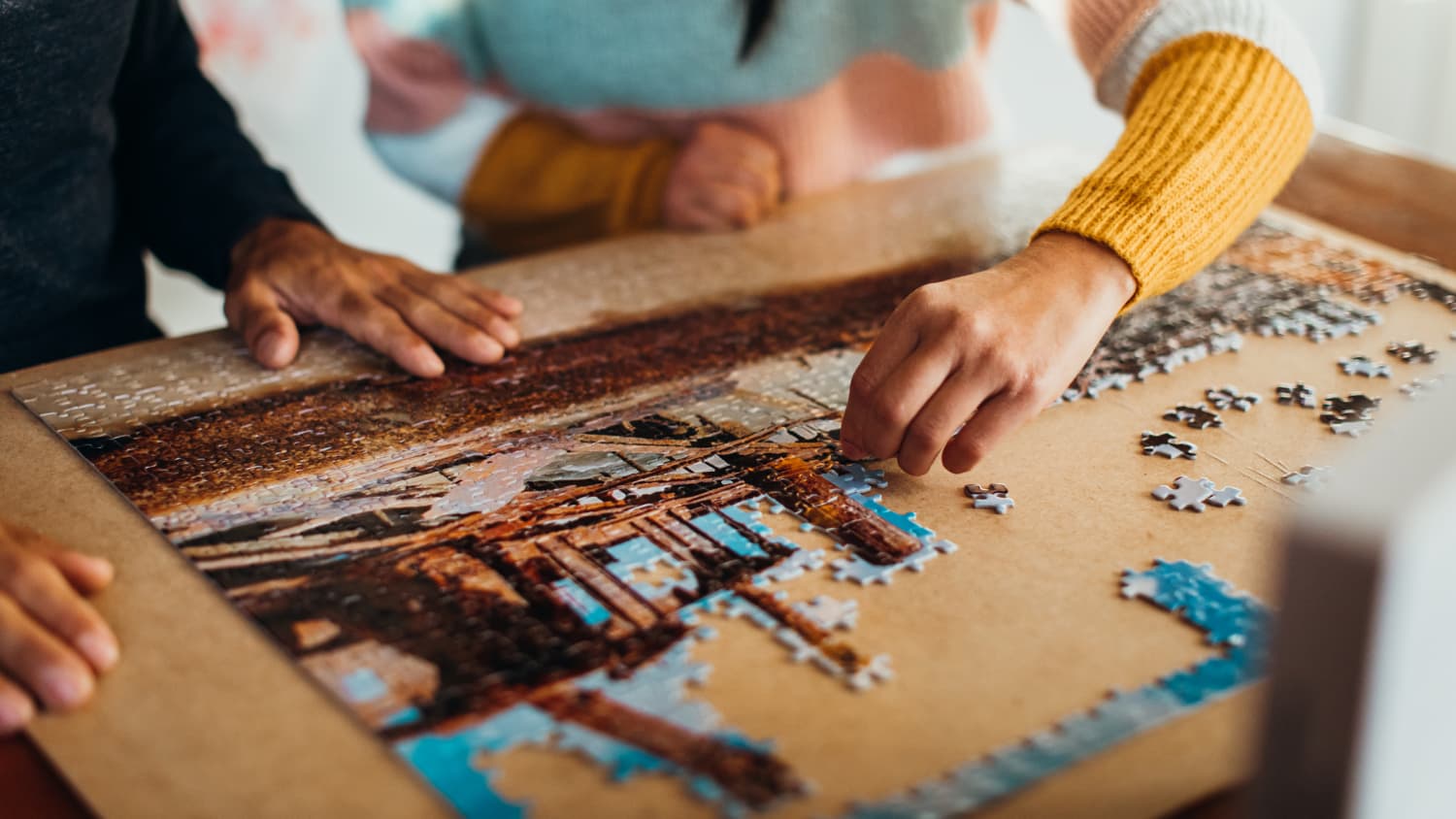
Choose a well-lit, clutter-free area with a flat surface. A dedicated puzzle board or mat can make the process easier and more portable.
2. Sort Pieces By Type And Color
Separate edge pieces from inner pieces, and group similar colours or patterns together. This speeds up the assembly process and reduces overwhelm.
3. Build The Frame First
Start by assembling the edges and corners. This provides a defined boundary and makes it easier to visualise the final image.
4. Focus On Sections
Identify distinct areas of the puzzle, such as specific patterns or colour blocks, and work on them individually. This makes the process feel more manageable.
5. Take Breaks
Puzzling can be mentally taxing. Step away when you feel stuck and return with fresh eyes to spot connections you may have missed.
Common Mistakes To Avoid When Solving Jigsaw Puzzles
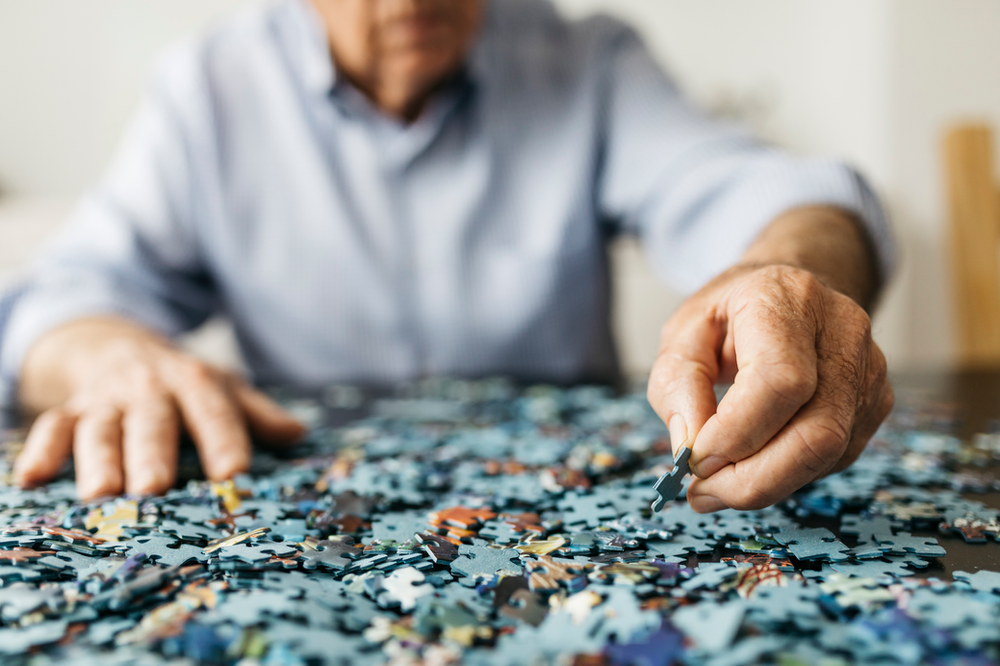
Many beginners make simple mistakes that slow down the puzzle-solving process. Avoiding these can make your experience smoother and more enjoyable:
- Poor lighting:Working in a dim area makes it hard to see colours, patterns, and shapes clearly.
- Mixing pieces from different puzzles:Combining pieces from multiple puzzles can be confusing and time-consuming.
- Ignoring the puzzle image reference:The picture on the box helps guide your progress and locate sections faster.
- Focusing too long on one small area:Spending too much time on a single section can cause frustration; move around and return later.
- Not sorting pieces before starting:Grouping pieces by colour, pattern, or edge pieces makes assembly faster and more organised.
Creative Ways To Display Completed Puzzles
Once completed, your puzzle can transform into a cherished display piece. Here are some ideas:
- Frame It: Preserve your puzzle with glue, then frame it for a unique piece of wall art. This works especially well for puzzles with sentimental or aesthetic value.
- Glass-Top Table: Place your puzzle under a glass tabletop to create a functional and eye-catching centrepiece.
- Seasonal Rotation: Showcase puzzles that align with holidays or seasons, like snowy landscapes for winter or floral designs for spring.
People Also Ask
Why Are Puzzles Good For Mental Health?
Puzzles stimulate cognitive function, reduce stress, and promote mindfulness. They’re an effective way to relax while exercising your brain.
Can Children Benefit From Puzzles?
Absolutely! Puzzles help kids develop fine motor skills, improve hand-eye coordination, and enhance problem-solving abilities.
How Should I Store Unfinished Puzzles?
Use a puzzle mat or storage board. These tools allow you to roll up or move your puzzle without disturbing the pieces.
Are Custom Puzzles Worth It?
Custom puzzles add a personal touch and are great for special occasions. They’re perfect for commemorating memories or giving as heartfelt gifts.
How Do I Preserve A Puzzle For Framing?
Apply puzzle glue to the surface, let it dry completely, and mount the puzzle on a sturdy backing before framing.
Final Thought
Jigsaw puzzles are more than just a fun activity. They improve focus, memory, and problem-solving skills while helping you relax and reduce stress. From classic cardboard puzzles to 3D, magnetic, and augmented reality designs, there is a puzzle for every skill level and interest.
By choosing the right puzzle and following simple strategies, you can enjoy the process, finish puzzles faster, and feel proud of your accomplishments. Puzzles also bring people together, making them a great way to spend time with family or friends. Start a puzzle today and enjoy the mental challenge, creativity, and satisfaction of completing each piece.
Jump to
The Fascinating History Of Jigsaw Puzzles
How Jigsaw Puzzles Are Made
Benefits Of Jigsaw Puzzles
Types Of Jigsaw Puzzles And Their Unique Appeal
How To Choose The Right Jigsaw Puzzle For You
Expert Tips For Solving Jigsaw Puzzles
Common Mistakes To Avoid When Solving Jigsaw Puzzles
Creative Ways To Display Completed Puzzles
People Also Ask
Final Thought
Latest Articles
Popular Articles